A backyard pool is great for relaxing, having fun, and making memories, but it also comes with important responsibilities. To keep everyone safe, use a few different safety measures: watchful supervision, barriers, education, and being prepared. No single step is enough on its own, but using them together makes accidents much less likely and helps everyone enjoy the pool safely.
Here are some key things every pool owner and host should know.

1. Active Supervision: The First and Most Important Layer
Fences and alarms help, but nothing is more important than having someone paying close attention.
Designated Water Watchers
Choose one adult to watch swimmers closely at all times. This person should not use their phone, read, drink alcohol, or get distracted by conversations. Switch who is watching every 15 to 20 minutes so everyone stays alert.
Touch Supervision
If you have toddlers, new swimmers, or anyone unsure in the water, an adult should always stay close enough to reach them. Drowning can happen fast and quietly, and it usually does not look dramatic like in movies.
Buddy System
Everyone should swim with a buddy, even strong swimmers and adults. Accidents like cramps, slips, or health problems can happen to anyone.
2. Physical Barriers & Safety Equipment: Protection When Eyes Aren’t Watching
Barriers are important because they help keep children safely away from the water.
- Isolation fencing at least 4 feet high with self-closing, self-latching gates.
- Door and window alarms to alert you if someone enters the pool area.
- Pool alarms that detect surface movement or submersion.
- Weight-bearing safety covers when the pool is not in use (not solar covers).
Rescue Equipment Must Be Accessible
Keep a shepherd’s hook, life ring, and a charged phone close to the pool at all times. In an emergency, every second matters. If you need to go inside to get a phone, you could lose precious time calling 911 or emergency services.
Pool experts often suggest putting up a waterproof phone holder or keeping a special emergency phone by the pool.
3. Understanding Your Pool Layout: Hidden Risks in Plain Sight
Every pool has its own features that can create unexpected hazards if guests don’t know about them. Taking a moment to explain the layout can help prevent injuries.
Sun Shelves (Tanning Ledges)
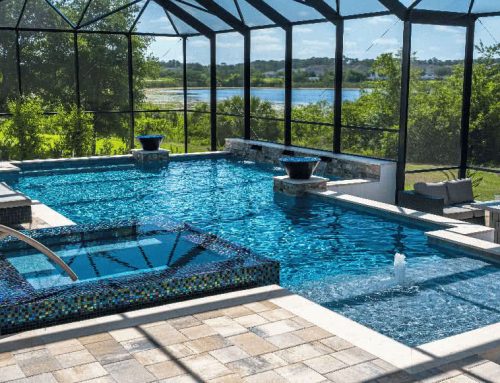
These shallow lounging areas are popular, but they can confuse children who might think the whole pool is shallow. Guests could step off suddenly into deeper water.
Steps, Benches, and Drop-Off Points
Sudden changes in depth can cause slips or panic, especially for non-swimmers. Make sure guests know where the deep end starts.
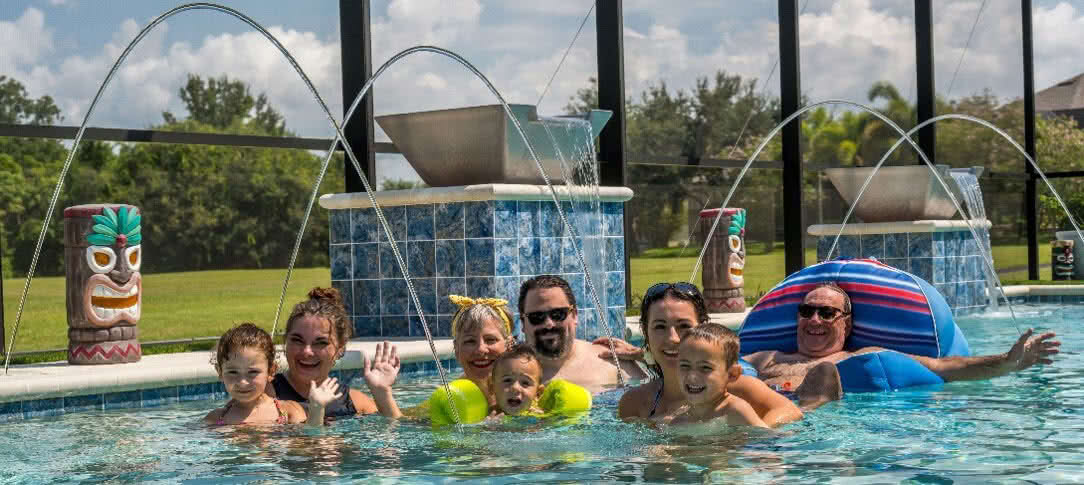
Water Features
Fountains, waterfalls, bubblers, and jets look great, but they can also:
- Distract supervision by creating noise
- Obstruct visibility under moving water
- Encourage climbing behavior in children
- Create slippery surfaces nearby
Drains and Suction Outlets
Always tell swimmers to stay away from drains. Make sure the covers are safe and in good condition. A quick 30-second “pool orientation” for guests can make a big difference in safety:
“The sun shelf is shallow, but it drops off quickly here. The deep end starts past this marker. Please stay clear of the waterfall area because it gets slippery.”
4. Clear Rules for Children and Guests
Being consistent with rules saves lives.
- Always ask permission before entering the pool area.
- No running on the deck.
- No diving in shallow areas.
- No roughhousing or breath-holding games.
- Remove toys when the pool is not in use to avoid temptation.
If you’re hosting a party, share the rules ahead of time or put up a clear sign.
5. Emergency Preparation: Hope for the Best, Plan for the Worst
Being prepared can turn bystanders into lifesavers.
CPR Training
Parents, grandparents, babysitters, and frequent visitors should know CPR for both children and adults. Training is easy to find through organizations like U.S. Coast Guard–approved boating safety programs and community health providers.
Life Jackets Over Floaties
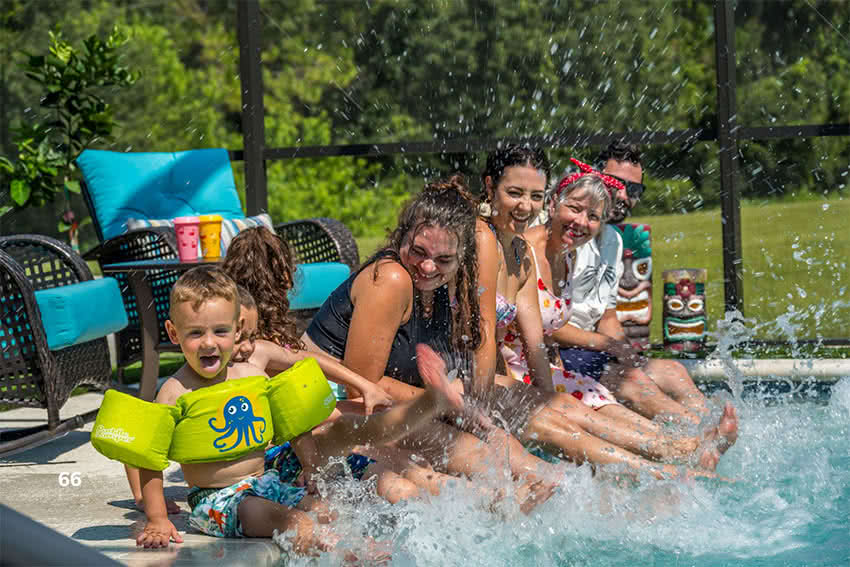
Weak swimmers should wear properly fitted, Coast Guard-approved life jackets instead of inflatable arm bands or toys, since those can fail or slip off.
Emergency Briefings
When guests arrive:
- Point out safety equipment
- Show where the phone is located
- Explain pool depth and features
- Identify the designated Water Watcher
This takes less than a minute and can help prevent tragedy.
6. The Phone Rule: One Simple Habit That Saves Lives
One of the easiest safety steps is also one of the most often overlooked:
Never be near a pool without immediate access to a phone.
Emergencies can get serious fast. Whether it’s a fall, a drowning incident, a seizure, or a heart problem, being able to call emergency responders right away can make all the difference.
You can use waterproof pouches, wall mounts, or a shaded box by the pool to keep your phone close by.
Final Thoughts: Safety Creates Freedom
When families use a few different safety steps, pools can truly be places for fun, connection, and relaxation. Good pool safety isn’t about being afraid. It’s about feeling confident. With active supervision, secure barriers, clear rules, and a phone nearby, everyone can enjoy the pool with peace of mind. Ready to customize your dream pool? Contact Pools by Bradley today to learn more!