
Most pool owners first think of evaporation or leaks when they notice the water level dropping. While these are common reasons, there are other valid causes for water loss that are not related to structural issues or the weather. Knowing about these can help you avoid wasting time, money, and worry when figuring out why your pool’s water level changes.
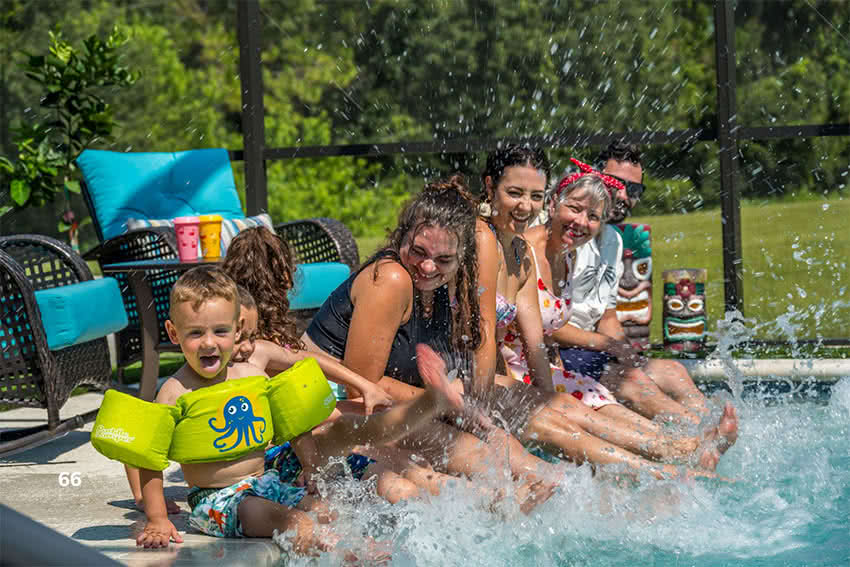
Splash-Out From Pool Activity
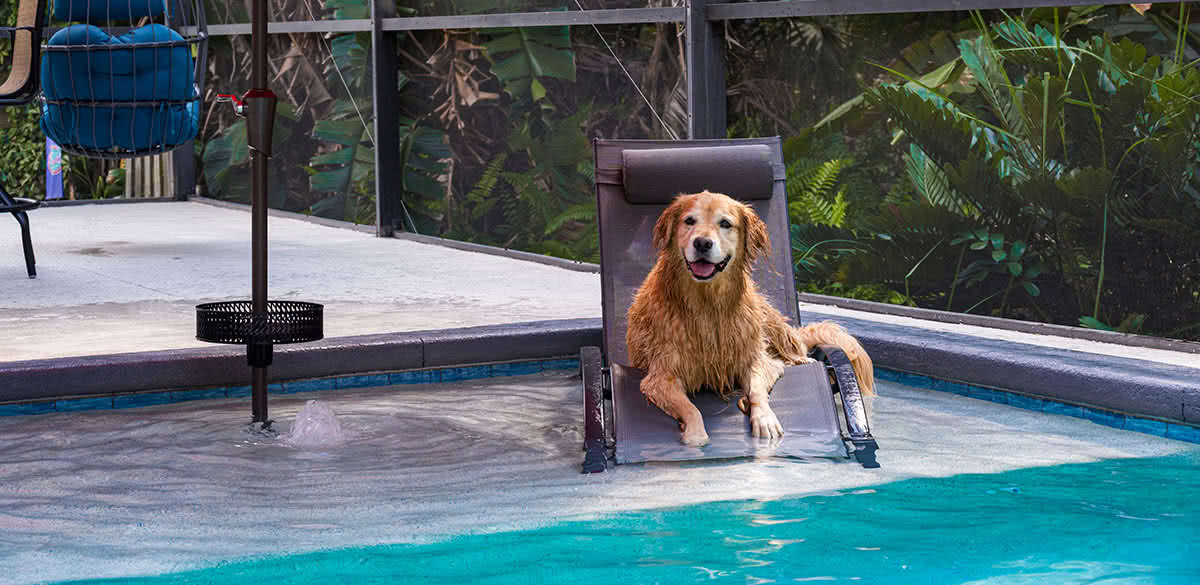
Splash-out is one of the main reasons for water loss that is not a leak. Whenever people use the pool, especially kids, pets, or groups, water gets pushed out. Activities like cannonballs, jumping, swimming laps, and playing games can send a lot of water over the edge. Windy days make this worse by blowing water farther away from the pool. After several days of heavy use, splash-out alone can cause a noticeable drop in the water level.
Water Features Can Increase Water Loss
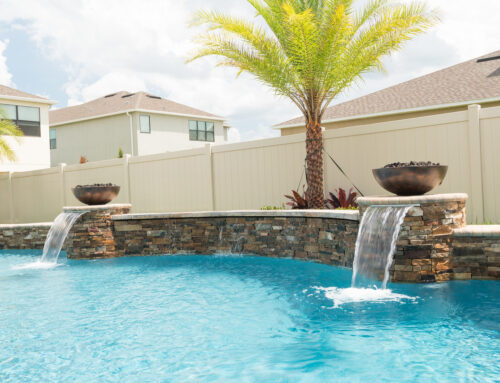
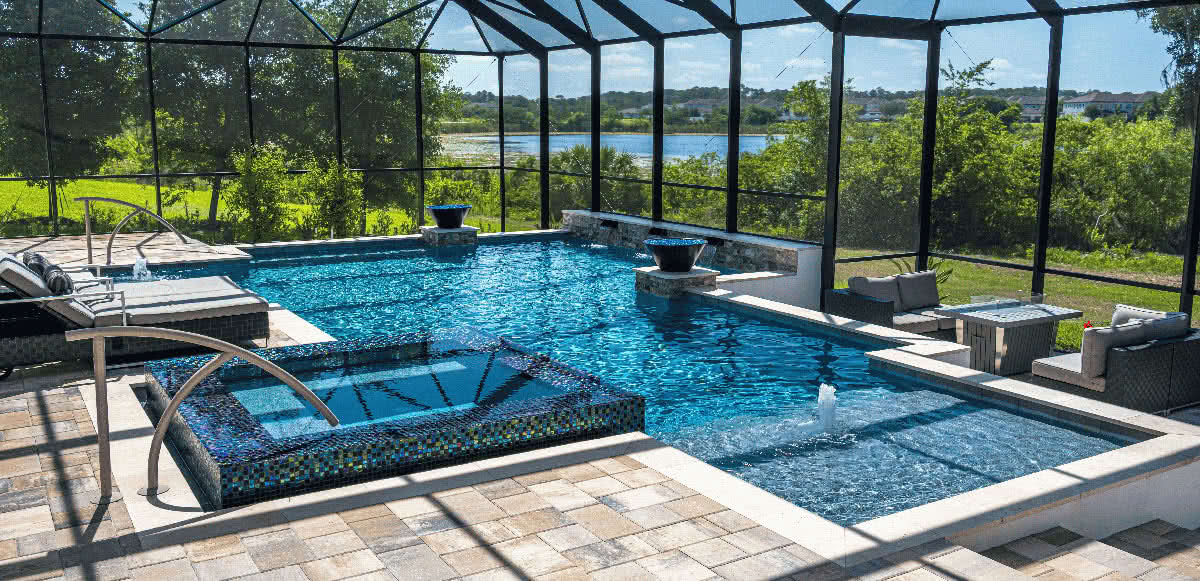
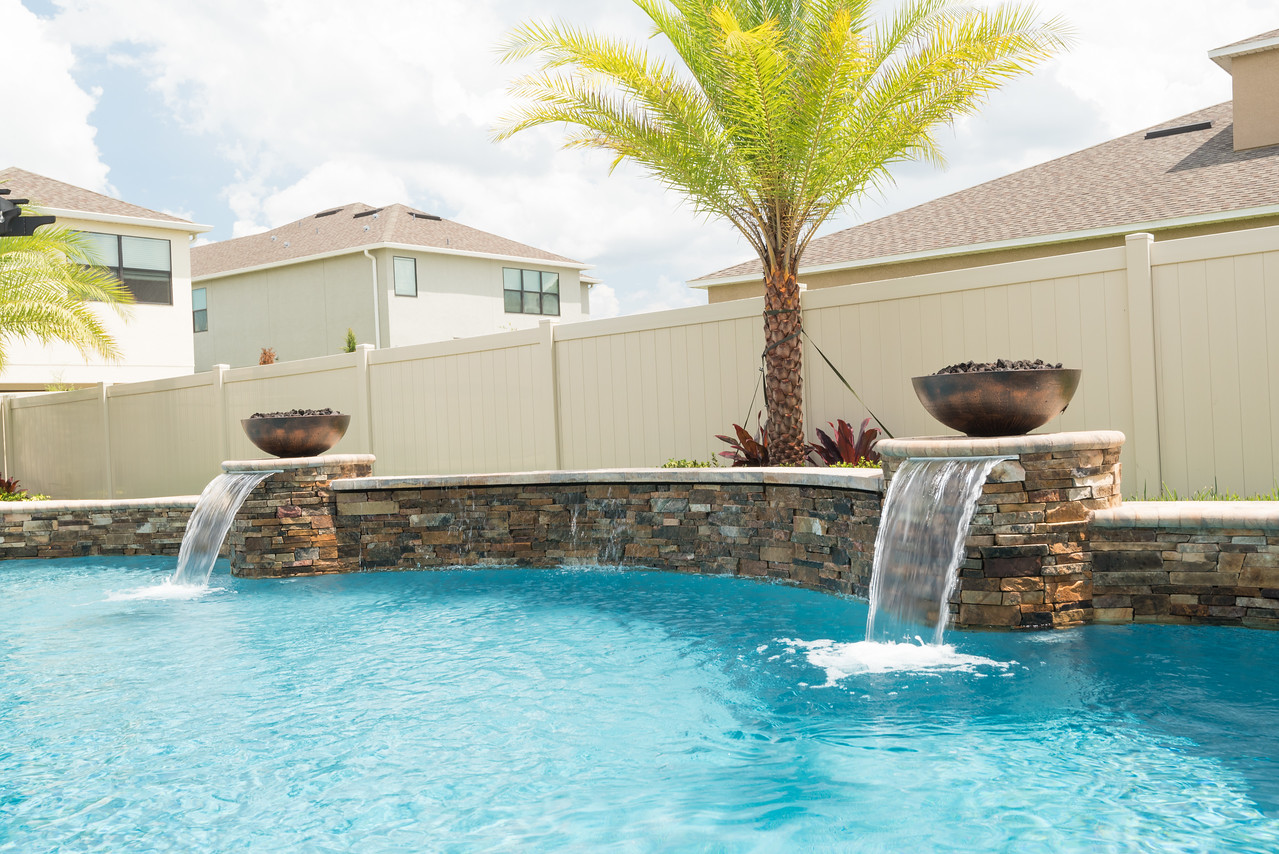
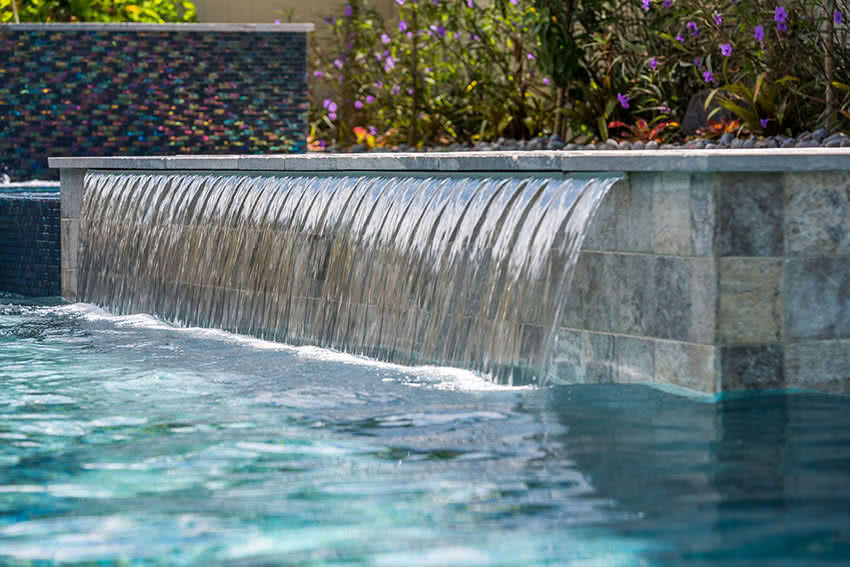
Water features are another common but often overlooked cause of water loss. Fountains, waterfalls, deck jets, laminar jets, and spillover spas all move water around and increase the surface area. This moving water is more likely to be blown away by the wind or end up outside the pool. Decorative features can also create a fine mist that drifts away before it returns to the pool. If these features run every day, they can slowly lower the water level in a way that looks like a leak.
Auto-Fill System Problems
Problems with the auto-fill system can also make it seem like water is disappearing for no reason. If the auto-fill valve gets stuck, is not set correctly, or is turned off for repairs, the pool water may drop lower than usual before anyone notices. When the system works as it should, most owners do not notice daily changes because the auto-fill keeps the level steady. If it stops working, normal water loss from splash-out and features becomes much more obvious.
Pool Usage and Everyday Factors
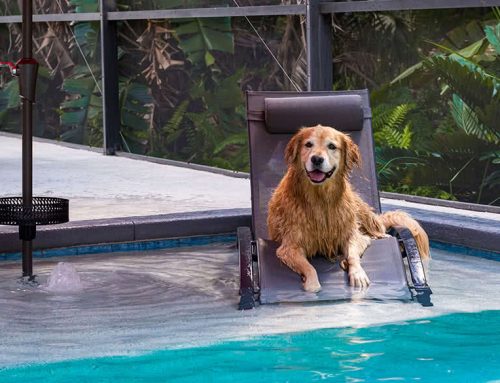
Other factors, like how and when the pool is used, also matter. Pool parties or swimming lessons can cause a lot more water to be lost. Pets that get in and out of the pool can carry water away in their fur. Pool toys and floats take small amounts of water with them when they are removed. Even cleaning tools like vacuum hoses or backwash lines can hold water that does not go back into the pool.
Routine Maintenance and Water Removal
Routine pool care can also lead to water loss. For example, draining water to adjust chemical levels after heavy rain or to fix stabilizer or calcium hardness problems removes water on purpose. These maintenance steps are sometimes forgotten, so owners may think there is a leak when the water level is lower than expected.
Pool Designs That Affect Water Levels
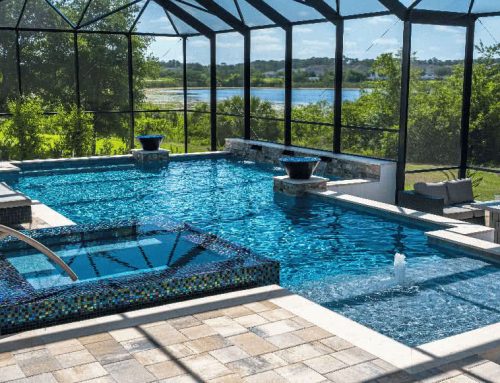
Some pool designs can also cause water loss that is not a leak. Infinity pools, perimeter overflow systems, and some raised spas move water into catch basins or surge tanks all the time. If these systems are not balanced correctly or if the recovery pump does not run at the right times, extra water can be lost through evaporation from the secondary basin or through normal overflow.
How to Tell if Water Loss Is a Leak
To tell if water loss is from these causes or a real leak, careful observation is important. If the water loss stops at a certain level, happens after heavy use, or follows maintenance, it is usually not a structural problem. You can use a simple bucket test to see if the loss matches normal evaporation or if it is more than expected, which helps you decide what to do next.
Conclusion
In short, evaporation and leaks are not the only reasons for a drop in pool water levels. Splash-out, maintenance, water features, environmental factors, and regular pool care can all remove a lot of water without meaning there is any damage. Knowing about these reasons helps pool owners take the right steps and avoid unneeded repairs.